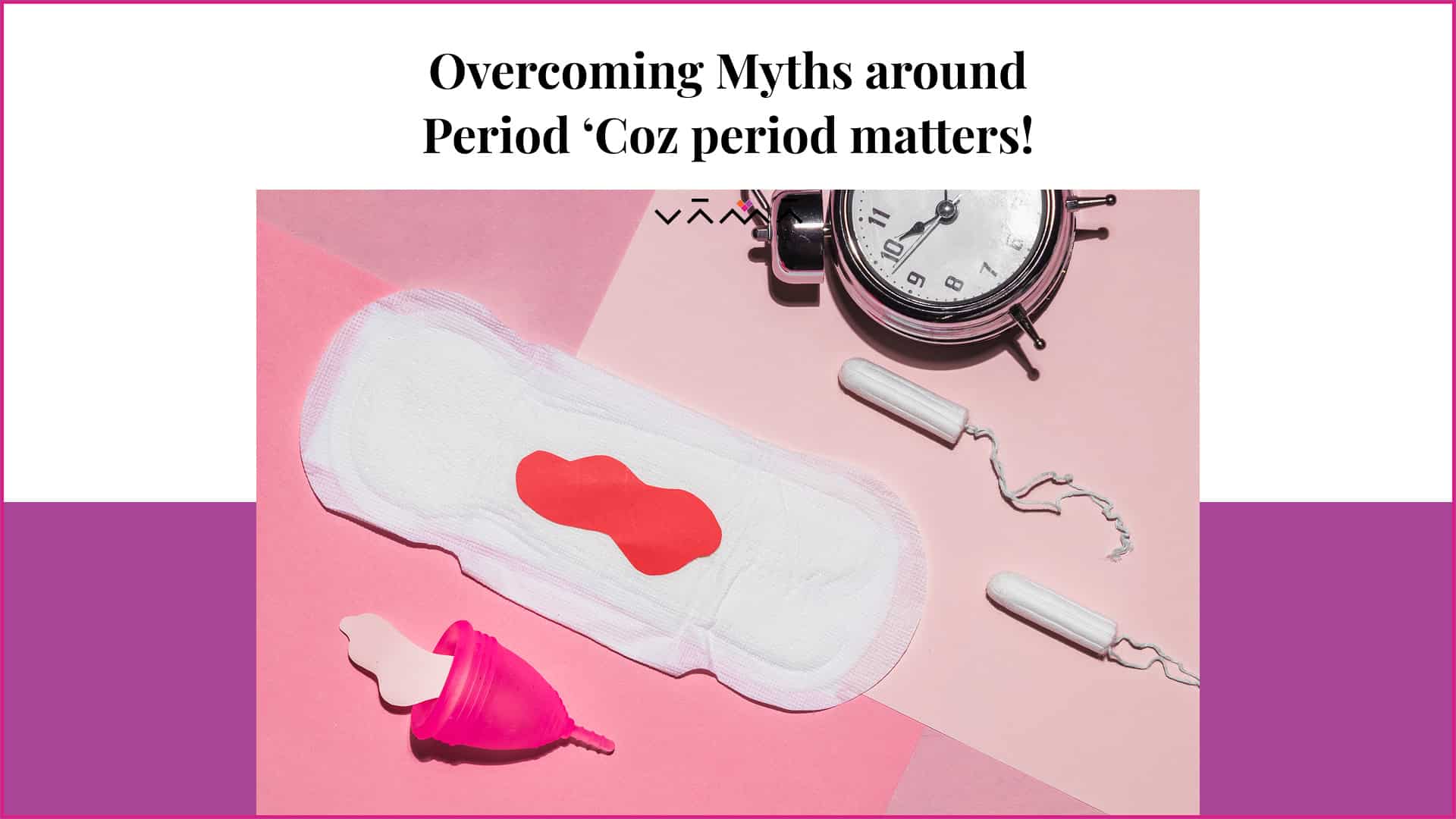
Taboos and myths about menstruation have always kept females away from many aspects of social and cultural life. Culturally, in many parts of India, menstruation is still considered dirty and impure. ‘Padman,’ a movie by Akshay Kumar, aims to create awareness about menstrual hygiene through its much-awaited release tomorrow. Managing menstruation safely and without stigma is a basic human right that many women and girls are denied. The silence and stigma around menstruation cannot be replaced by a new form of sanitary pad; it can, however, be challenged through discussion and awareness, and Padman can play an important role in starting the conversation.
Noted gynecologist from Vama Wellness Centre for Women, Dr. Rupal Nirav Shah, shares insights about the superstitions related to menstruation and how to overcome them.
What is menstruation?
Menstruation is a natural reproductive cycle in which blood from the uterus exits the body through the vagina. It occurs every month in girls aged 11-15 years. Despite being a phenomenon unique to girls, menstruation has always been surrounded by secrecy and myths in many societies, even in urban, educated families. Forget Indian societies; even in developed countries like the US, 42% of women have experienced period shaming, 58% felt embarrassed, and 73% hide pads and tampons from view.
“Some superstitions that need to be viewed through a scientific lens”
When periods can Get you possessed
“Pure or impure”, she must be “purified” before she is allowed to resume her daily activities. However, scientifically, the actual cause of menstruation is ovulation followed by a missed pregnancy, resulting in bleeding from the endometrial vessels. Therefore, there seems to be no basis for the notion of being “pure” or “impure.”
Washing on the Third Day
Girls are often told to wash their bedsheets, clothes, and hair on the third day of their period. The scientific explanation is that blood flow is high during the first three days, so it is better to get everything cleaned.
List of “Not To Do things” we are told – “Mahine Ke Vo Char Din”
-
- Not to visit the temple
- Not to enter the kitchen
- Not to touch pickles
- Not to wash hair
- No gym, exercise, or swimming
- Not to eat sour foods like curd, tamarind, or pickles
Let’s break these myths – As far as exercise is concerned, many adolescent girls are wrongly informed that physical activity during menstruation will aggravate dysmenorrhea. However, in reality, exercise can help relieve symptoms of premenstrual syndrome (PMS) and dysmenorrhea and reduce bloating. Exercise also triggers the release of serotonin, making one feel much happier.
Strategies to Combat Menstruation Related Myths
The first and foremost strategy in this regard is raising the awareness among adolescent girls related to menstrual health and hygiene. Young girls often grow up with limited knowledge of menstruation because their mothers and other women shy away from discussing the issues with them. Dr Rupal goes to many schools to conduct menstruation and its hygiene related health education sessions and she feels this is the strongest method to educate girls and through them to their mothers or other females facts associated with daily concerned topics full of myths. Community based health education campaigns could prove worthwhile in achieving this task.
Empowerment of women through education and increasing their role in decision-making can also aid in this regard. Provision of sanitary napkins and adequate facilities for sanitation and washing should be made available in school washrooms and public toilets .
Men and boys typically know even less, but it is important for them to understand menstruation so they can support their wives, daughters, mothers, students, employees, and peers.
Thus, it is becoming clear that multi-sectoral approaches are needed. Menstruation is nothing but a very normal biological phenomenon, and adolescent girls and women should understand that they have the power of procreation only because of this virtue.